

The 5 Best Festivals in Phuket
Festivals are deeply woven into the cultural rhythm of Phuket, where history, spirituality, and community life come together throughout the year. As Thailand’s largest island, Phuket offers a vibrant calendar of celebrations, blending centuries-old traditions with contemporary events.
Some of these festivals are celebrated across the country, while others are unique to the island, reflecting its rich heritage and multicultural identity. Here is Metadee’s curated selection of the five most distinctive festivals in Phuket.
1. Phuket Vegetarian Festival: September or October
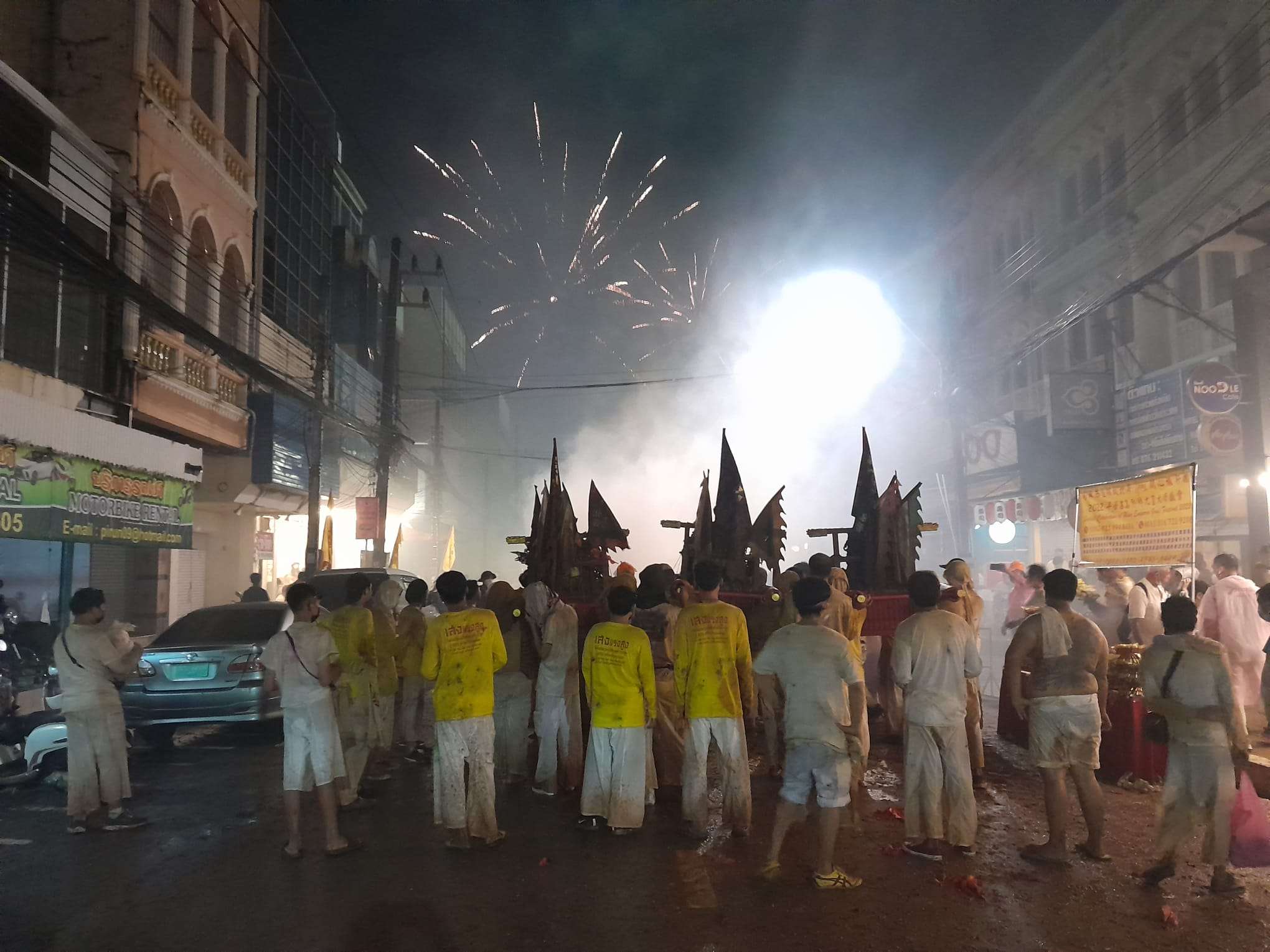
As the year unfolds, anticipation quietly builds across Phuket. Among its most captivating moments, the annual Vegetarian Festival emerges as a truly distinctive celebration. Once known as the Nine Emperor Gods Festival, this Taoist tradition transforms the island into a stage of devotion, ritual, and sensory intensity.
Usually held in September or October, the exact dates follow the lunar calendar. Check the Tourism Authority of Thailand’s event listings and local shrine announcements before making travel plans.
Beyond its refined vegetarian cuisine, the festival reveals a more dramatic soul. Processions move through the streets with bursts of firecrackers, while sacred rituals unfold with striking intensity, including the well-known cheek-piercing ceremonies performed by devoted participants.
At its heart, the celebration centres around Phuket Old Town. Yet, its presence extends across the island, where Chinese shrines host ceremonies led by the Ma Song, spiritual mediums believed to channel divine energy.
Then, the atmosphere deepens. Devotees walk barefoot across glowing embers, as rhythmic chants fill the air. Rice is cast onto the fire, sparks rise, and the moment becomes both powerful and surreal.
2. Loy Krathong: November
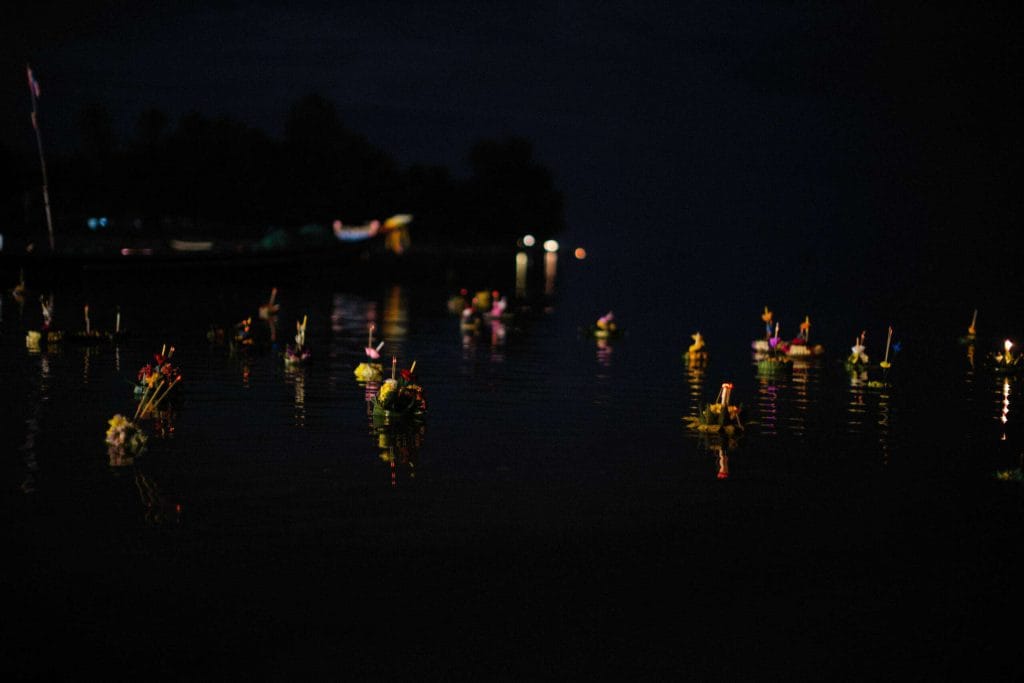
Meanwhile, as the seasons shift across Thailand, another moment of quiet beauty takes shape. Loy Krathong returns each year as one of the most graceful and symbolic celebrations. It is observed on the evening of the full moon of the twelfth month in the Thai lunar calendar, with dates gently shifting from year to year.
As night falls, the atmosphere softens. People gather by rivers, ponds, and along the shoreline. One by one, small krathongs are released onto the water. Each is delicately shaped like a lotus and adorned with flowers, candles, and incense.
In this simple gesture, meaning unfolds. As the krathong drifts away, it is believed to carry with it worries, regrets, and past burdens. In return, it leaves space for renewal. A quiet beginning. A better path ahead.
Throughout the evening, the streets come alive. Krathongs are available almost everywhere, making the experience accessible, spontaneous, and shared.
3. Wat Chalong Fair: usually January
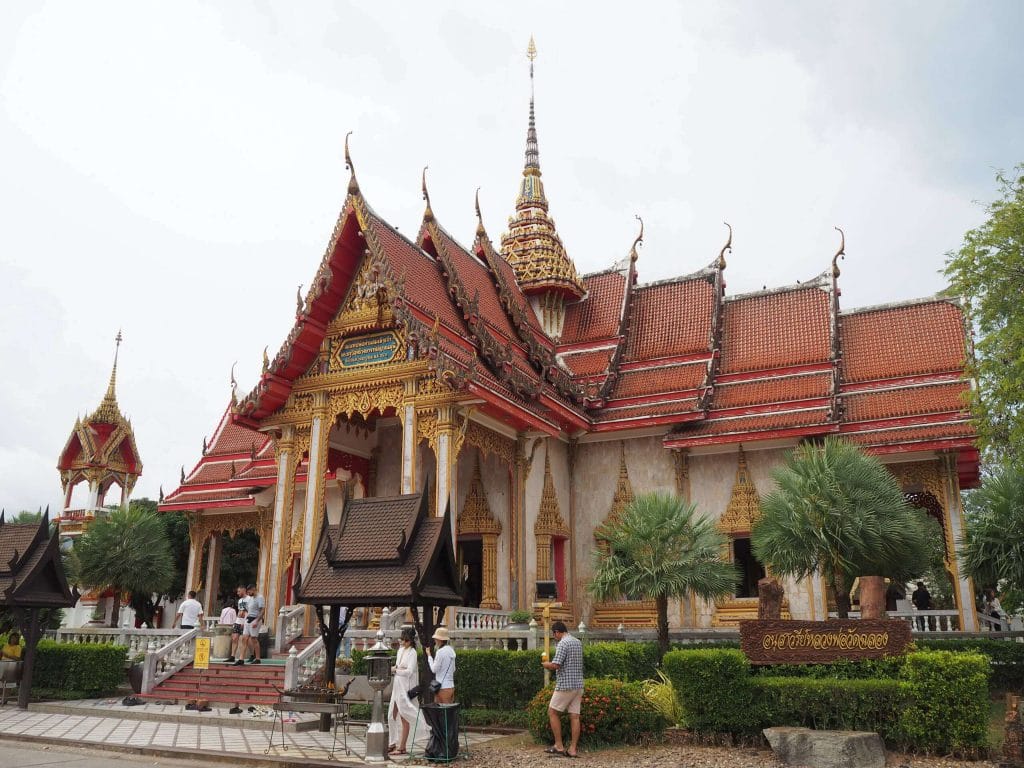
Then, the focus gently shifts to another cultural landmark. Wat Chalong stands as one of the island’s most revered temples. Known for its spiritual significance, it draws both locals and visitors seeking blessings, lighting incense, and offering flowers.
The Wat Chalong Fair is usually held in January; check local announcements for the current dates and programme. When it takes place, the temple grounds become a lively mix of market stalls, performances and community celebration.
4. Songkran: April
Then, the mood shifts. Traditions evolve. And Songkran takes on a vibrant, playful energy.
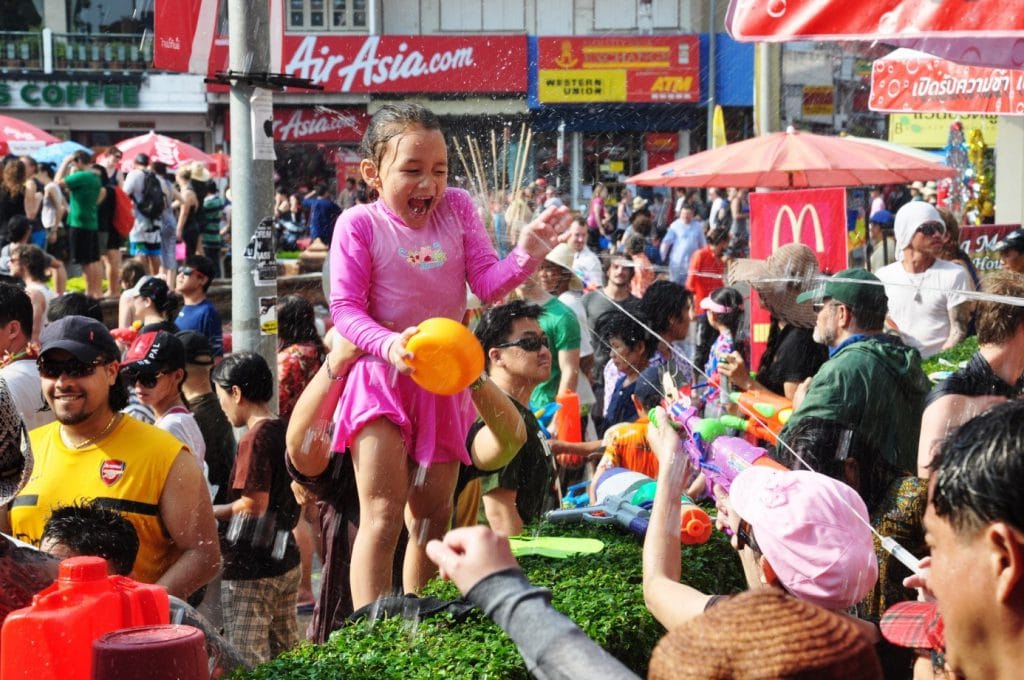
Once a gentle celebration dedicated to honouring elders, Songkran has gradually transformed into a nationwide water festival. Today, it is both symbolic and exuberant. A ritual of cleansing, reimagined with joy.
Each year, from 13 to 15 April, the streets come alive. Step outside, and the experience becomes immediate. Water flows everywhere. Buckets, hoses, and high-pressure water guns appear at every corner.
Meanwhile, laughter replaces formality. Strangers become part of the moment. A shared celebration, spontaneous and immersive.
In Phuket, Songkran activities vary by area and year. Follow official event and local-authority guidance for current locations, timings and safety advice.
It is a festival best experienced with respect for local customs, practical preparation and awareness of busy public areas.
5. Kata Beach Surf Events: dates vary

More recently, a new rhythm has emerged along the shores of Phuket. A contemporary addition. Fresh, energetic, and closely connected to the island’s coastal lifestyle.
Kata Beach hosts surf events and competitions at different times of year. Dates, formats and participants vary, so check the current organiser announcement before planning a visit.
When an event is on, the atmosphere brings together surfing, beach culture and a relaxed community spirit.
Because this is not a fixed annual festival with a permanent date, treat this section as a guide to Phuket’s surf culture rather than a confirmed event calendar.
For the latest surf-event information, consult current local and organiser updates before travel.
FAQ
When is the best time to experience festivals in Phuket?
Phuket has cultural events throughout the year. The Vegetarian Festival usually falls in September or October, Songkran is in April and Loy Krathong is generally in November; exact dates can change.
When is the Phuket Vegetarian Festival?
The festival follows the lunar calendar, so its dates vary each year. Check official listings and local shrine announcements before booking travel or planning a day in Phuket Town.
What should visitors know before attending the Vegetarian Festival?
Public processions and shrine ceremonies can be intense, crowded and noisy. Dress respectfully, follow local guidance and choose family-friendly areas if you prefer a quieter experience.
Is Songkran celebrated in Phuket?
Yes. Songkran is Thailand’s New Year celebration, observed from 13 to 15 April, with water festivities and cultural traditions. Local event locations and arrangements vary each year.
Are Kata Beach surf events held every year?
Kata Beach hosts surf-related events at different times, but there is no single fixed festival date. Check current organiser and local announcements before planning your stay around an event.
- Written by: Philipp Meier – Travel Writer